
The nature of work is fundamentally changing. Technology has moved from being simply an efficiency tool to being the main driver in how we work, where we work, and even what constitutes a “career.” Automation, AI, and digital connectivity make change happen in industries at a rate previously unimaginable. In such situations, both opportunities and challenges are created for workers and employers alike. Knowing how technology is redefining careers will be key to being competitive and successful in the job market of the future.
Automation and Artificial Intelligence on the Rise
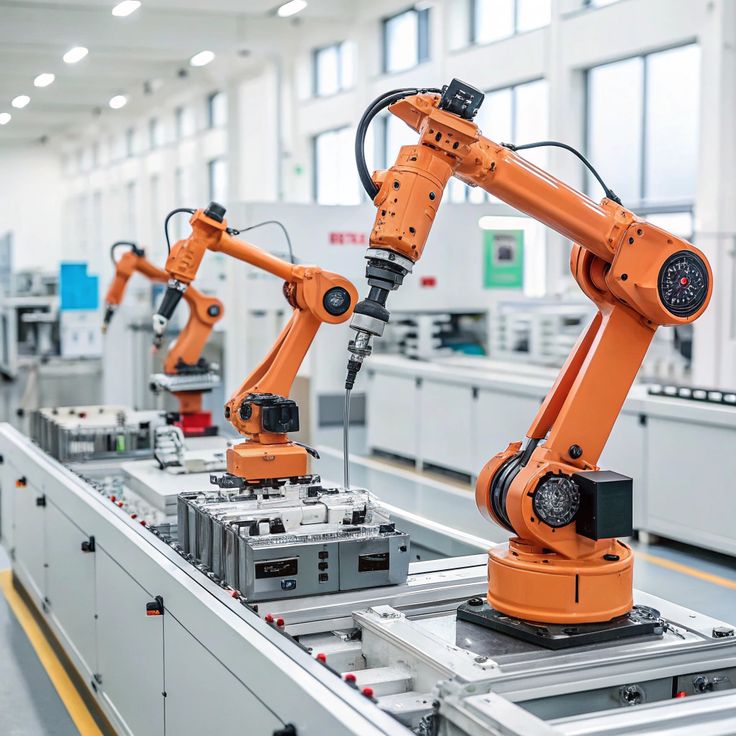
Automation and AI are present in today’s workplace as never before. Machines are now doing jobs previously thought to be the preserve of human beings: manufacturing, logistics, data processing, customer service, and so on. According to a World Economic Forum report from 2024, nearly 40% of the core required work skills are going to change in just five years with the advancement of technology.
Yet, it does not really imply the end of human employment; rather, it is more transformational. This automation frees the worker to undertake creative problem-solving, innovation, and emotional intelligence-skills which machines just cannot master. For instance, AI may diagnose a disease in a patient, but treating him requires empathy and communication-skills unique to humans.
The Rise of Remote and Hybrid Work
The COVID-19 pandemic accelerated the adoption of remote work, and its influence has now become a permanent feature in the employment landscape. Digital meeting tools like Zoom, Slack, and Microsoft Teams allow people to connect seamlessly across countries. This has led many organizations to shift toward hybrid work-a proven effective combination between in-office and remote work.
This shift has also given rise to the “digital nomad” lifestyle-professionals working while traveling around the world. The freedom and flexibility this model allows-especially to younger generations who value work-life balance above the corporate setup-make it particularly attractive to them. Employers, on the other hand, benefit from access to a larger talent pool with lowered overheads.

Lifelong Learning and Skill Adaptation
We’re living in a time of technological change. In this scenario, lifelong learning is crucial, and skill sets applicable a decade ago can hardly be helpful today; one must constantly upskill and reskill to stay competitive in their respective fields.
New Career Avenues Open in the Digital World
Where technology has changed the nature of work, it has also brought along with it absolutely new professions. Professional titles like AI ethicist, data scientist, cybersecurity analyst, and virtual reality designer did not even exist a couple of decades ago. The gig economy diversified the employment options further as professionals can seek freelance, contract, or part-time work through digital platforms.
Increased interconnectivity across industries would raise the demand for technology, creativity, and critical thinking from professionals. New careers would put emphasis on adaptability, digital literacy, and innovation above fixed job titles.
Conclusion: Embracing the Future of Work
The future of work is not humans versus machines, but it is humans working with machines. Technology will continue to evolve, but the essence of work will always be creativity, empathy, and purpose. Those who can combine the power of technology with the human touch will lead the next generation of innovators.
The future of work has arrived. It’s flexible, digital, and full of endless possibilities. The key to thriving in this new era begins with integrating technology into your professional life, creating success for the world through relentless innovation.