For decades, robots had been regarded as the machines of the future, bound within factory and laboratory walls. Because they were built to do repetitive work with precision, efficiency, and unrelenting consistency, they certainly fit into manufacturing and industrial use. But robotics has come a long way from the assembly line. Today, robots are becoming integral in our lives: shaping industries, healthcare, education-even our very homes. And with the development of technology, so does the future of robotics in promising to bring intelligent and adaptive machines closer to humans than ever before.
From Industrial Automation to Human Collaboration
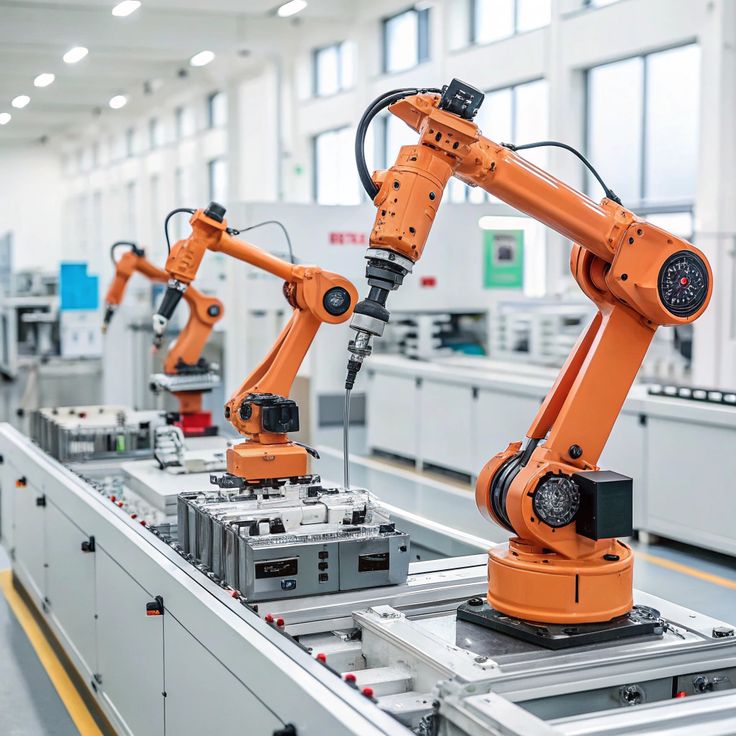
Actually, robotics originates from the field of automation. Industrial robots completely changed manufacturing production by performing tasks that were hazardous, repetitive, or highly precise. They improved production speed, reduced costs, and thus ensured consistent quality that transformed industries in automotive, electronics, and logistics.
However, modern robotics has moved away from mere automation of tasks and towards collaboration with humans. Cobots are robots that are designed to work with human beings, not replace them. They substitute in places where a combination of human judgment and mechanical precision is needed in order to make a workplace both safe and efficient. As Henrik Christensen, a robotics researcher, says, “The future is not about robots replacing people-it’s about robots helping people do their jobs better.”
The Rise of Household and Personal Robots
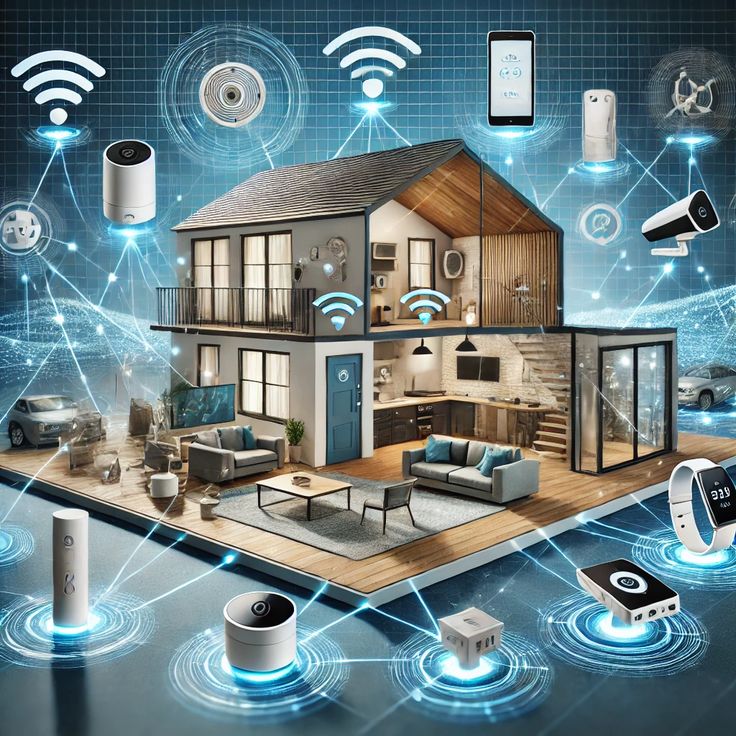
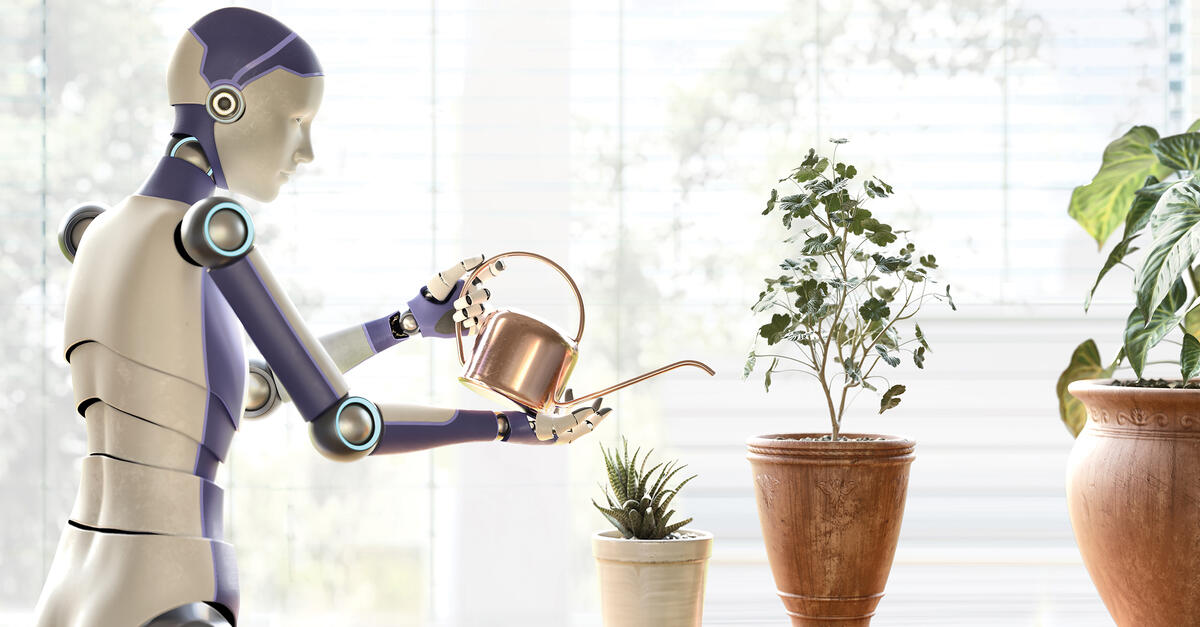
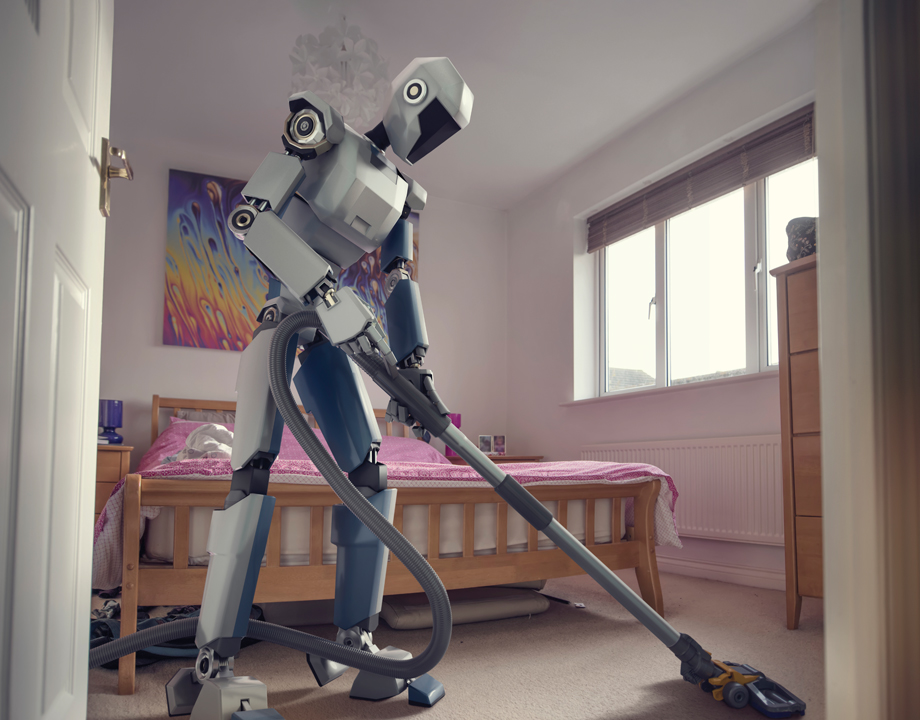
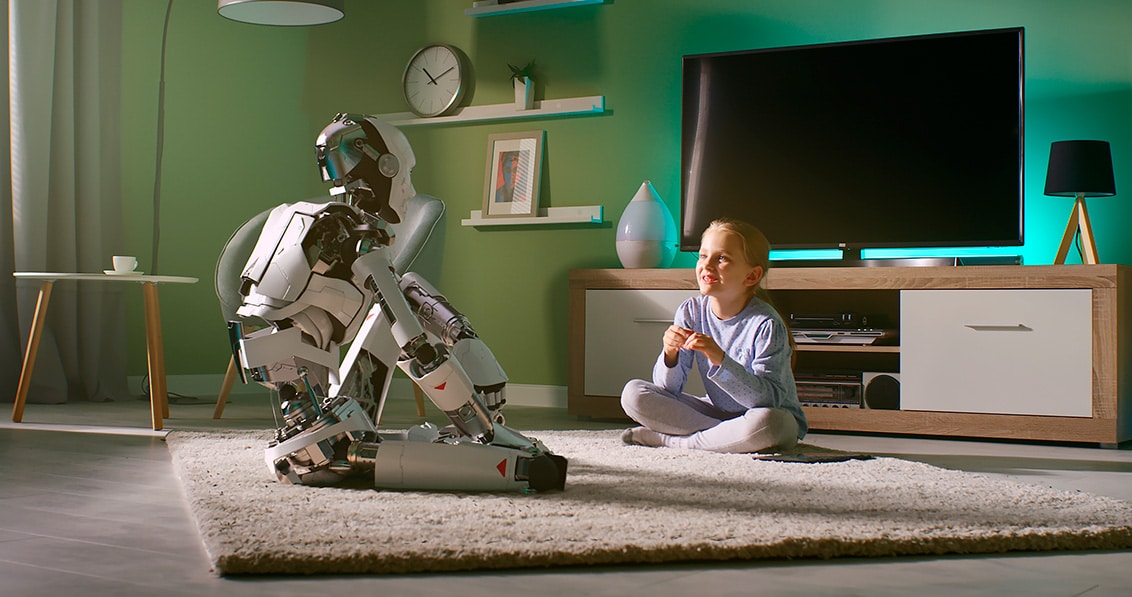
As robotics technology has become increasingly affordable and user-friendly, this technology’s place in the home has begun to grow rapidly. Household robots are rapidly moving from novelties into practical tools for convenience and comfort. Among others, robotic vacuum cleaners, lawn mowers, and smart kitchen assistants have already transformed daily routines.
In the near future, home robots will be much more capable. Just imagine a robot that can cook for you, tidy up your home, keep an eye on home security, and even offer a lot of companionship. Companies like Samsung, LG, and Amazon are making major investments in home robots powered with AI to learn user preferences and modify their behavior based on a specific lifestyle. These personal assistants will not only manage the household but also assist the elderly, people with disabilities, and busy professionals to increase independence and quality of life.
Robotics in Healthcare and Education
Besides homes and factories, robotics also makes a big mark in the areas of health care and education. Surgical robots nowadays assist doctors in performing minimally invasive procedures with unmatched precision. In rehabilitation, robotic exoskeletons help patients regain mobility and strength. In education, interactive robots teach languages, STEM subjects, and social skills to children.
These are combinations of artificial intelligence, machine learning, and robotics that power such innovations. Besides making them automated, it’s actually about making the robots understand, learn, and respond to the needs of humans in an intelligent and empathetic way.
Ethical and Social Implications
With robotics finding increasing applications in everyday life, ethical and social questions abound. Will robots take over jobs meant for humans? How will data privacy and security be guaranteed with AI-driven machines? Experts stress that for robotics to serve humanity responsibly, regulations and ethical frameworks need to be developed. It is all about achieving that delicate balance between innovation and human values.
A Glimpse into the Future
The future of robotics is not some far-off dream; it’s taking place right before our eyes. We’re at that phase when robots will be not just tools but companions and colleagues. From factory floors to living rooms, robots will continue shaping how we live, work, and interact with each other. As once said by Rodney Brooks, a technology visionary, “The biggest advances in robotics will come when robots become part of the fabric of everyday life.” In fact, that future is already taking shape-one innovation, one algorithm, and one robot at a time.