Introduction: The new era of electric mobility

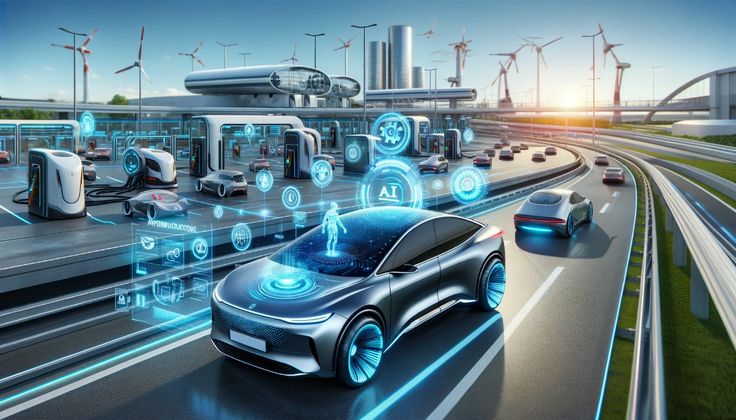
The emergence of electric vehicles has transformed them from niche novelties to mainstream solutions in arguably one of the most radical changes ever faced by the automotive industry. Along with increasing ecological concerns and accelerated technological development, EVs lie right at the center of global efforts toward sustainability and clean mobility. They change the way people travel and reshape strategies across the auto, energy, and policy sectors.
Advancements in Battery Technology
Continuous development in the area of **battery technology** drives innovative momentum for electric vehicles. Early generations of electric vehicles had highly limited driving ranges, long lengths of charge time, and were very costly to produce. The latest generation lithium-ion and solid-state batteries boast greater energy density, faster charging times, and longer longevity-all contributing factors that make EVs viable for daily use while continued research promises even higher levels of efficiency and economies of scale.
Increased investment in the global charging infrastructure
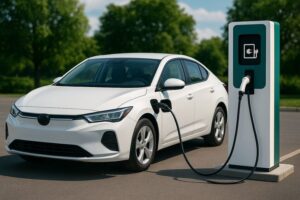
One of the major trends shaping the electric vehicle landscape is the incredibly rapid growth of charging infrastructures. Both governments and companies are building out networks of chargers through residential zones, cities, and along highways. Ultra-fast charging reduces range anxiety and promotes wider adoption by giving any vehicle enough power to cover hundreds of kilometers in just a few minutes. Smart charging with renewable sources is also helping to build cleaner, more efficient networks.
Software-Driven Innovation and Smart Features
It is the rise of **software-driven features** that have redefined the profile of modern EVs. Advanced driver-assistance systems, over-the-air updates, and intelligent monitoring tools push safety and personalization to new dimensions. Now, automakers compete not with hardware but with digital ecosystems in which a vehicle can get better and change over time.
Environmental policy and global sustainability goals
The main driver for electric mobility remains the environmental concerns. Tax incentives, setting of emission regulations, and even the long-term banning of gasoline vehicles by governments are encouraging this switch. This would, in turn, be a policy that encourages both manufacturers and consumers to move toward cleaner technologies. Electric vehicles generate no tailpipe emissions, reducing the dependence on fossil fuels. When their power comes from renewable sources, their environmental impact increases even further.
Increasing Affordability and Market Accessibility
Another strong trend is that electric automobiles are becoming increasingly **affordable**. As the scale and efficiency in manufacturing grow, the prices continue to fall. Most manufacturers now have a line of relatively inexpensive models, placing EVs within reach of more and more consumers. Fewer moving parts translate into lower maintenance costs, increasing the long-term savings for the consumers.
Electrification of Commercial and Public Transport
The electric transition is also changing commercial transport. Electric buses, vans, and trucks find an increasing market as companies begin to seek out ways of saving fuel and fulfilling sustainability targets. The result has been ever cleaner cities with reduced carbon emissions.
Conclusion: The Future of the Electric Vehicle Industry
It follows, therefore, that the transformation brought in by electric vehicles is now a fundamental alteration in the auto industry. From continuous improvement in battery technology and development of charging infrastructures to digital innovations and supportive policies, it speeds up the pace of global adoption. With electric vehicles becoming efficient, more economic, and ecological, they are inevitably going to lead transport into its future and shape the world in a cleaner, smart, and sustainable way.