Introduction The New Industrial Transformation
In fact, robotics and automation are the transformative forces of the modern workplace, not only fundamentally changing the way in which organizations function but even redefining work. By now, most companies in a host of various industries have begun the integration of automated systems into their operations to help further efficiency, cut costs, and improve productivity across the board. The passing of the baton in this way is a seminal moment in the evolution of the global workforce, full of remarkable benefits and important challenges that need thoughtful consideration.
Higher Efficiency Through Automation
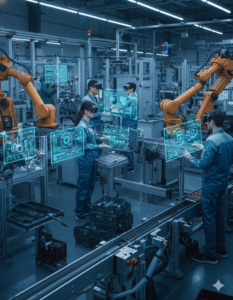
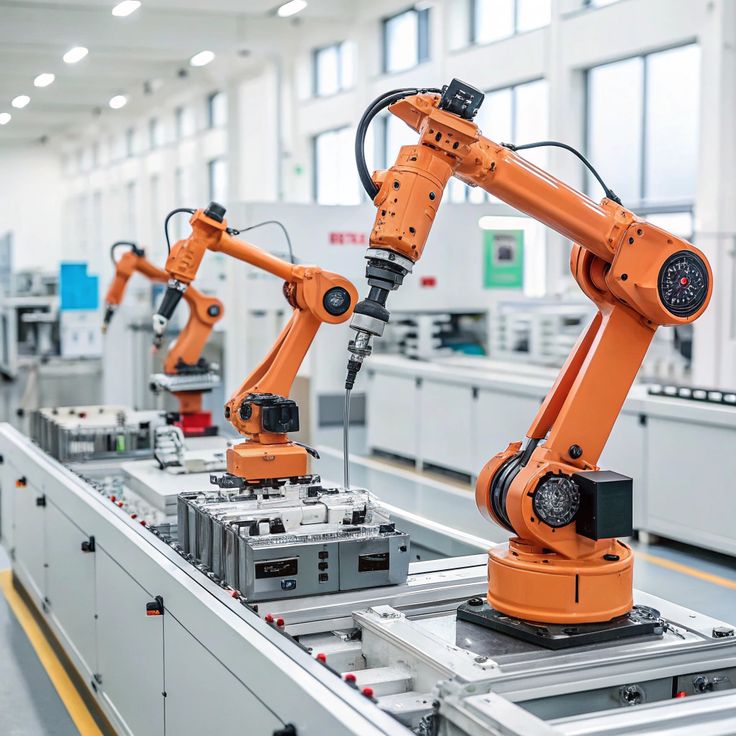
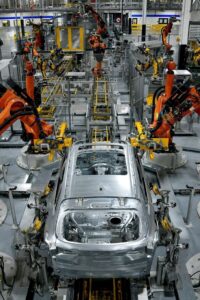
One of the prominent effects of automation is that it allows dramatic improvements in operational efficiency. Automation can enable systems to perform a number of tasks, which are first of all repetitive and time-consuming, much faster with increased accuracy. Today, industries such as manufacturing, logistics, and retail have started to trust robots in assembly lines, inventory management, and quality control. This minimizes human errors; through such technological advancement, companies can meet rising demands with much consistency.
Introduction Improving Workplace Safety
Another important influence robotics has in the workplace relates to the **improvement of safety conditions**. Machines have been deployed to hazardous environments in chemical plants, in mining industries, and in heavy manufacturing where conditions can be very risky. Automation allows for hazardous work without putting any staff in danger; it reduces accidents and generally makes the workplace much safer.
Supporting Data-Driven Decision Making
Automation has also brought many efficiency-related changes to workplaces, enabling informed data-driven decisions. Most robotic systems have sensors and software that gather data in real time from their operations. This enables managers to optimize production schedules and maintenance plans and manage resources more suitably. Predictive analytics run by automation reduces downtime and enhances overall performance of the operation.
Workforce Challenges and Job Displacement
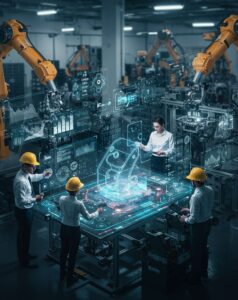
With the advantages come the challenges of robotics and automation: **job displacement**. Generally, activities that are more manual, repetitive, or of lower skill are more likely to be mechanized. At the same time as some jobs are lost through technological change, others emerge around robotics engineering, programming, system maintenance, and data analysis. The evolution in the workspace brings continuous requirements for learning, upskilling, and reskilling.
Human-Robot Collaboration: The New Work Dynamic
Actually, almost every workplace now represents **Human-Robot Collaboration**: a robot performs repetitive and heavy work; a human is focused on responsible, strategic tasks, creative tasks, or more complex jobs. That allows for enhancing productivity by engaging workers in critical thinking and innovation tasks.
Automation of Customer Service and Administrative Roles
Another critical change is the **automating of customer service and administrative work**. AI-driven chatbots, virtual assistants, and automated platforms take over the routine tasks and inquiries in the efforts of firms to respond quickly and efficiently. It is in this transition that human workers are freed to focus on personalized interactions and high-level problem-solving.
Conclusion: Towards a Balanced and Automated Future
Conclusion: Robotics and automation are the new faces of the modern workplace. Challenges include adaptation of the workforce and job displacements, yet the reverse side of this coin is bright with opportunities for innovative, safe, and efficient manufacture. Therefore, further organizational investment in automated systems needs to strike a balance between embracing technological advancement while sustaining the role of human talent as relevant, empowered, and valued within the future of work.