Introduction to a New Era of Global Connectivity
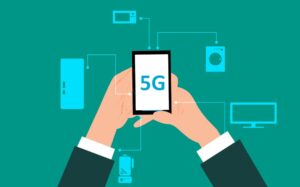
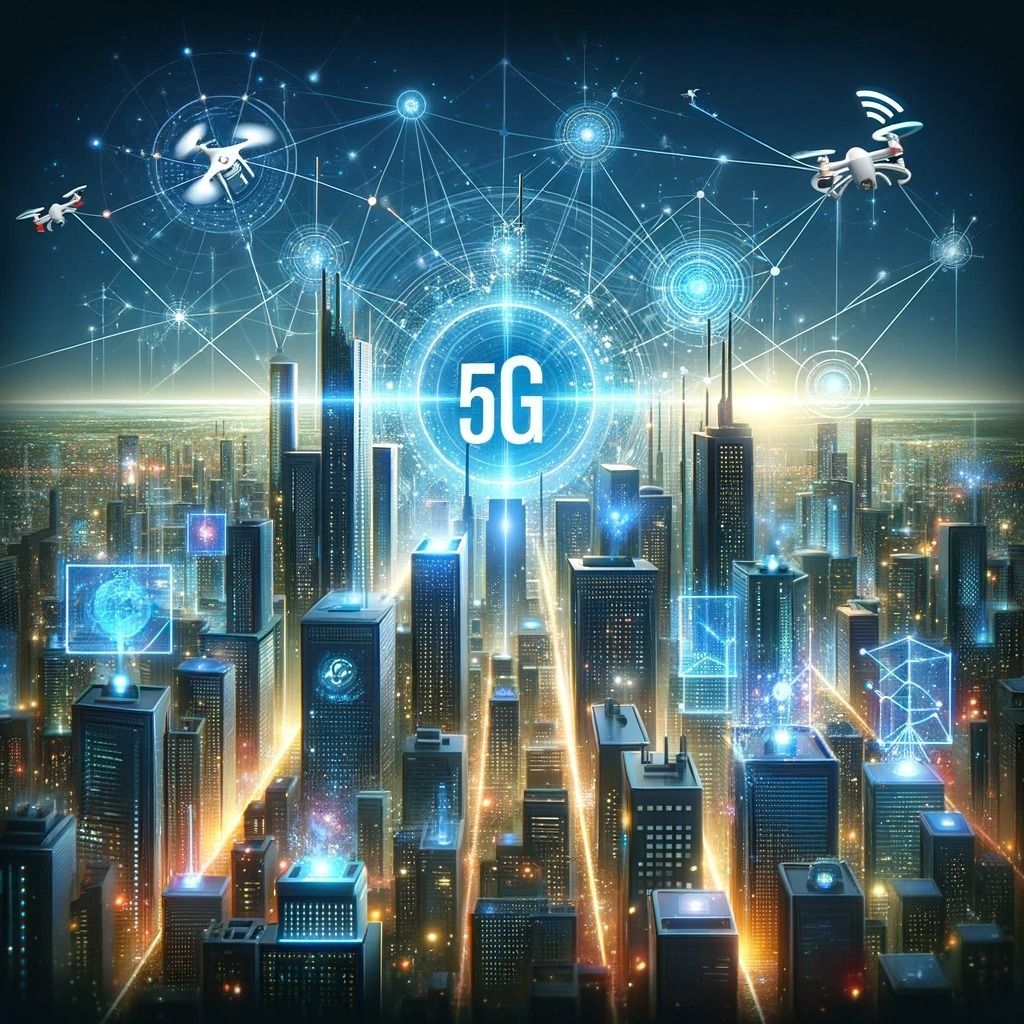
With 5G, a major milestone in digital communication is reached. 5G brings full circle how people, businesses, and industries will interface with the digital world through unprecedented speed, reliability, and connectivity. Its influence is surely felt today, in 2025, since many countries around the world have started extending their infrastructure in support of 5G. As much as 5G heralds an era of new efficiency in communications, it also ushers in an age of technological innovation.
Ultra-Fast Data Speeds, Enhanced User Experience

Among the many other huge benefits, 5G will provide ultra-fast data transmission capabilities. In reality, it will be 100 times faster compared to its predecessor, 4G. It will enable users to download big files in a few seconds and immediately stream high-definition videos and graphics with real-time applications without delay. As the world is gravitating more toward digital connectivity, everything will go smoother: video calls, messaging apps, and collaboration tools.
Low Latency for Real-Time Technologies
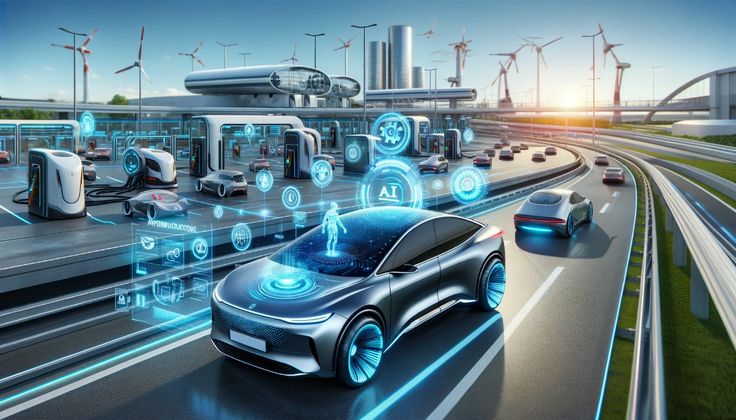
Then there is another huge change that comes with 5G: incredibly low latency means devices can communicate virtually instantaneously. That is going to make all the difference in many technologies themselves, like self-driving cars, distant surgeries, and virtual and augmented reality. With 5G, these inventions reach a whole new level regarding accuracy and responsiveness and hence offer possibilities which previously were too dangerous or too unpredictable given the delays across the network.
Powering the Growth of the Internet of Things (IoT)

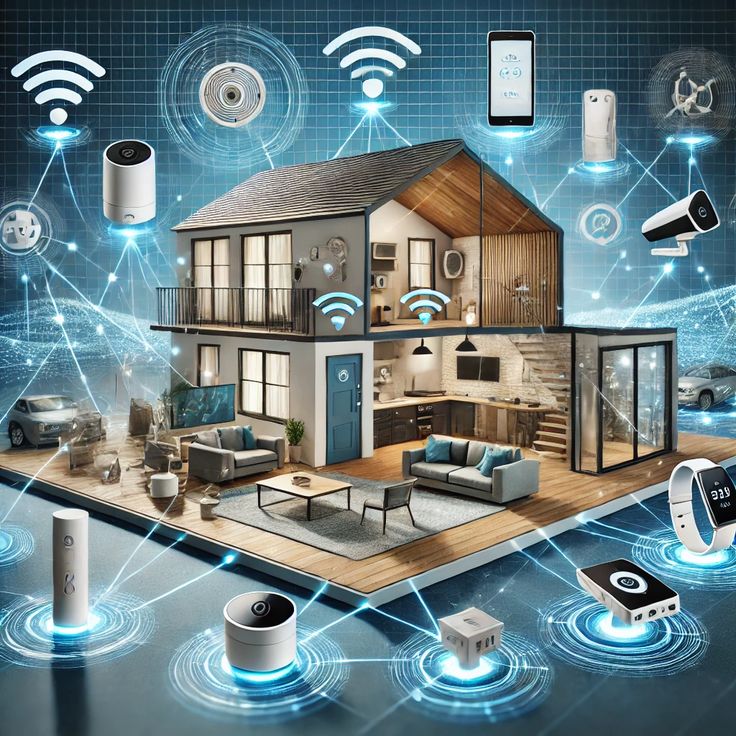
5G provides the largest incentive in developing the **Internet of Things**, where billions of devices-from household appliances to industrial sensors-will be connected with one another and share information in real time. It accelerates smart homes, smart factories, and smart cities while making life safer and more efficient.
Revolutionizing Business and Industrial Operations
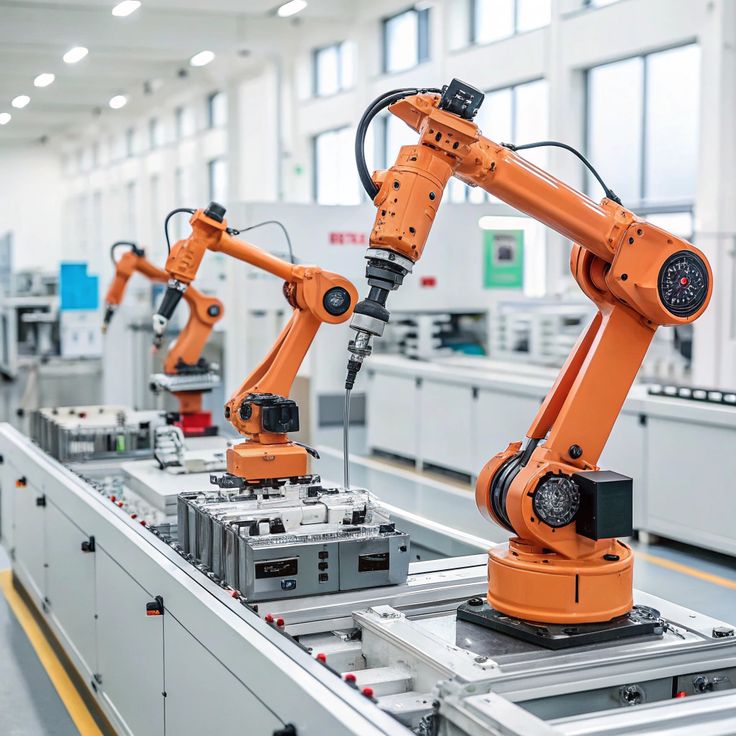
5G brings levels of productivity and innovation to the enterprise that have never been witnessed before. It aids enterprises in improving remote working, rationalizing logistics, and enhancing customer experience-through various 5G-powered tools. For instance, the manufacturing industry monitors real-time data. Other examples include how retailers upgrade shopping experiences with the help of AR. With massive data flows handled, 5G reinforces automation, cloud computing, and advanced analytics.
Bridging the Digital Divide around the World
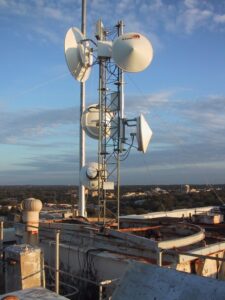
5G is also playing an important role in contributing toward increased global digital inclusion. Poorly performing internet connections hinder education, economic opportunities, and other means of access to basic services within underprivileged communities. Offering unprecedented levels of speed and reliable connectivity, 5G closes this gap even further by giving these communities access to vital digital resources. It reduces reliance on high-cost infrastructure and hence, thereby makes high-speed Internet access more affordable.
Addressing Challenges and Ensuring Secure Adoption
Apart from these advantages, 5G also has its fair share of challenges and concerns-privacy, cybersecurity, and investment in infrastructure. Data protection will increasingly become a cause of concern since more and more things are getting interconnected. Secure, trustworthy, and inclusive 5G requires the joint commitment of governments, operators, and technology players.
Conclusion: A Connected Future-Powered 5G
In other words, 5G is an internationally deployed digitization technology that innovatively promotes innovation and renders possible development in every big industry. It is, for example, the high speeds, ultra-low latency, and connecting billions of devices that enable 5G to build the basis for a better, smart, and more connected world. As adoption further spreads, the impact on communication, industry, and society is going to increase over the next few years.