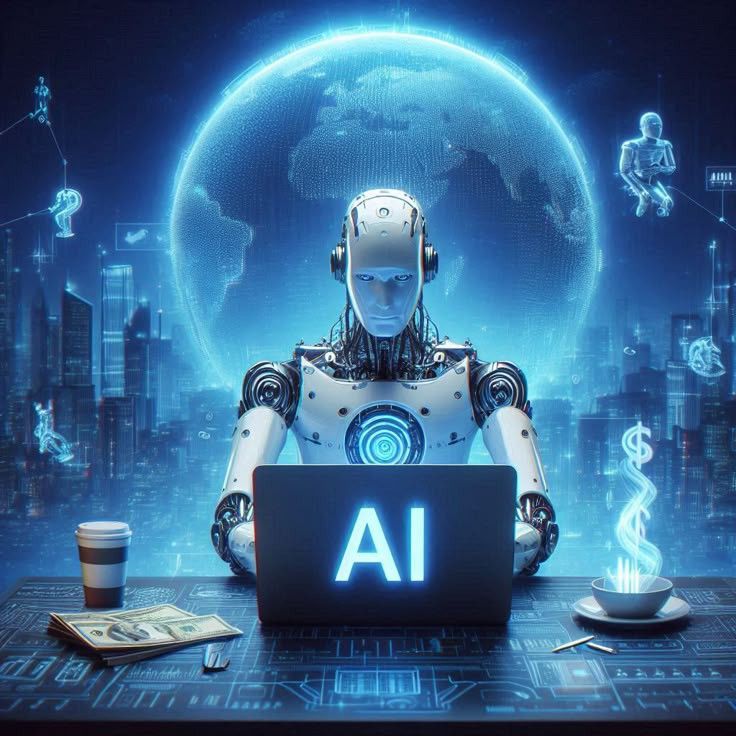
AI is not the same from day to day, and it changes industries. It changes how people live their lives and the pace with which technology moves around the world. In 2025, AI has long moved beyond mere automation and predictive analytics. AI powers strong innovation in health, finance, transport, education, and many other areas. The fast development within such areas reflects the general trend toward intelligent systems that become not only efficient but increasingly adaptive, intuitive, and human-centered.
Generative Technologies: A New Era of Creativity and Automation
Probably the most interesting feature of AI growth in 2025, however, is the rise of generative technologies: systems capable of generating text, images, and audio, among many other things, in a very human-like fashion. Applications range from creative industries through to engineering and scientific research. Designers use generative AI to speed up product-prototyping processes while businesses use the technology to automate content creation, market analyses, and customer service operations. Importantly, these systems are rapidly becoming more controlled and transparent, enabling users to better guide the outputs with increased precision and ethical oversight.

AI in Healthcare: Predictive Diagnostics and Personalized Treatment
AI has become a source of new innovations in the health sector for improving patient care by way of **predictive diagnostics** and **personalized treatment plans**. Big data, combined with machine learning, has made models much more successful in recognizing diseases from their very beginning compared to current methods. In 2025, AI medical assistants will be able to support doctors in real-time analyses of patient data, with suggestions on treatments and monitoring of progress. This new capacity for better decision-making will mean not only an impact on the improvement in medical outcomes but also less pressure on healthcare professionals.

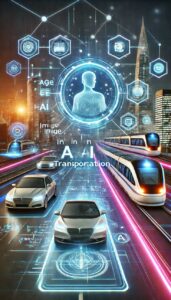
Autonomous Transportation and Intelligent Mobility Systems
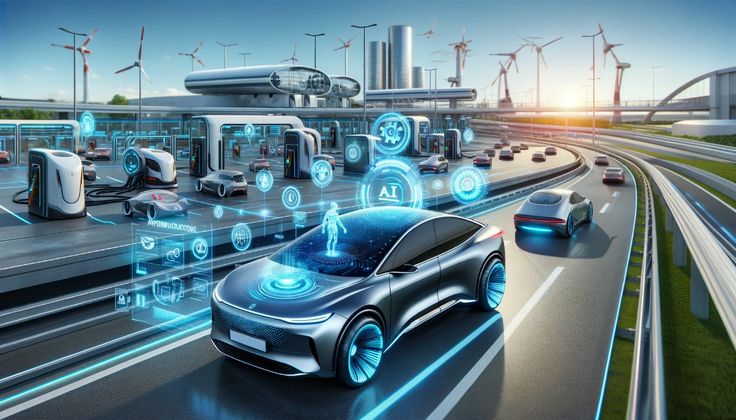
One of the AI revolutions in the world of transportation is via autonomous vehicles: a requirement for advanced sensor systems, quicker neural networks, and better safety protocols so that self-driving cars in 2025 can respond to complex conditions. Other than personal conveyance, AI is restructuring public transit for better route planning and a reduction in energy consumption through intelligent management of traffic.
AI-Powered Cybersecurity for a Safer Digital World
AI also reshapes **cybersecurity** because the threats are getting more and more sophisticated. Modern security systems use AI in finding unusual patterns, thwarting the attack even before it takes place, and learning from new vulnerabilities. By 2025, AI-advanced security had become the norm, protecting everything from financial information to governmental data and personal details. This indeed is the proactive defense system highly needed in the era when digital risks continue to soar.
Business Automation and Data-Driven Decision Making
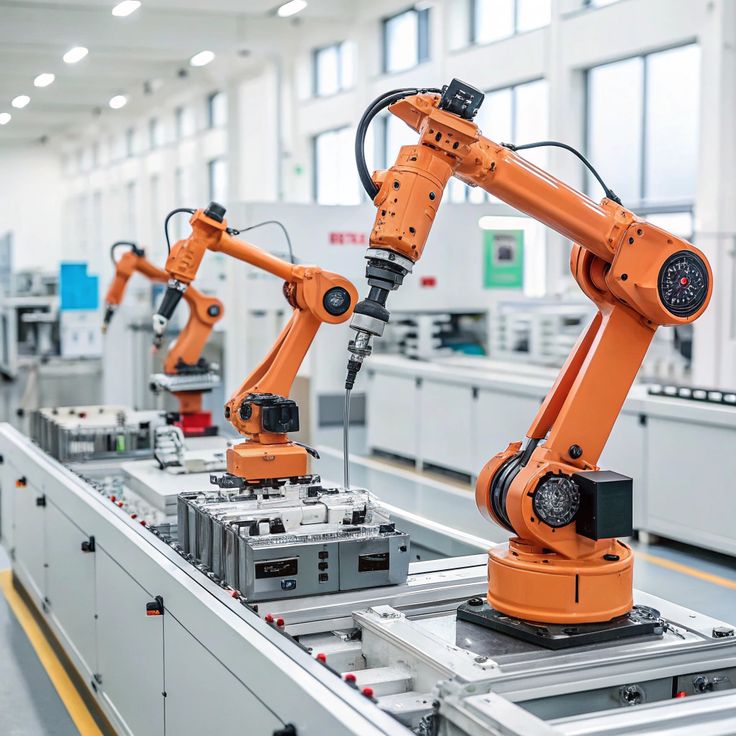
AI-driven automation simplifies operations in the corporate world and makes informed decision-making easier. Advanced analytics help companies predict trends, optimize their supply chains, and improve customer experiences. Algorithms of AI can comprehend huge data sets within a few seconds to equip the leaders with smarter and timely decisions. On the contrary, the intelligent virtual assistants boost workplace productivity by carrying out many tasks that include scheduling, documentation, and communication.
Revolutionizing Education Through Personalized Learning
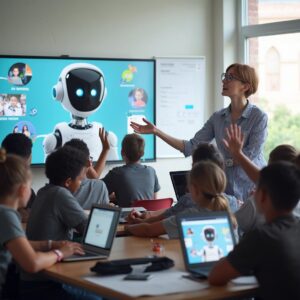
Other areas where meaningful change is felt include education. AI-powered personalized learning platforms fit the pace and style of the individual student, offering focused resources and feedback. The technology helps bridge the learning gaps and supports teachers by automating routine administrative tasks.
The Importance of Ethical Governance and Transparency
Still astonishing as all these developments are, however, with a future embracing AI comes a need for thoughtful governance. Ethical consideration, data privacy, and transparency still headline discussions in 2025. Policymakers, researchers, and technology companies jointly work on how to secure AI systems and make them fair and useful for society.
Final Thoughts: AI’s Growing Role in Modern Life
All in all, AI innovations in 2025 brought quite a few changes into the world. From healthcare to transportation systems, AI has now really become an integral part of how one lives today. As technologies continue to grow and improve, interest will lie in developing intelligent systems that further the progress of humankind in general but also maintain ethical and responsible standards.